


How to Measure a Lamp for the Perfect Lampshade: The Complete Step-by-Step Guide
A complete guide to measuring lamps, choosing the right lampshade size, identifying fitters, and ordering a custom lampshade with confidence.
Introduction
Choosing a lampshade might seem simple, but the right measurements make all the difference. A properly sized shade improves your lamp's appearance, distributes light more effectively, and creates balanced proportions that enhance your entire room.
Whether you're replacing a worn shade, restoring a cherished antique, or ordering a custom lampshade, taking a few accurate measurements before you buy will save time and help ensure the perfect fit.
In this guide, we'll cover:
-
How to measure your lamp base
-
How to measure an existing lampshade
-
What to do if you don't have the original shade
-
How to identify your fitter
-
How to choose the correct shade size
-
Common measuring mistakes
-
Tips for table lamps, floor lamps, sconces, and pendants
-
Frequently asked questions
Step 1: Measure the Height of Your Lamp Base
Measure from the bottom of the lamp to the bottom of the socket.
Do not include:
-
the harp
-
the bulb
-
the finial
This measurement helps determine the ideal shade height.
Rule of Thumb
The lampshade should be approximately two-thirds the height of the lamp base.
Example:
18" lamp base
↓
12" shade height
This creates pleasing proportions without overwhelming the lamp.

Step 2: Measure the Width of the Lamp Base
Measure the widest part of the lamp base.
For most lamps:
Bottom shade diameter ≈ twice the lamp base width.
Example
6" base
↓
12" bottom diameter
This keeps the lamp visually balanced while hiding the socket and bulb.

Step 3: Measure Your Existing Lampshade
If you're replacing an existing shade, measure these three dimensions.
Top Diameter
Measure straight across the top opening.
Never measure around the edge.
Bottom Diameter
Measure straight across the widest point of the bottom opening.
This is the primary measurement used when shopping for replacement shades.
Slant Height
Measure along the outside edge from the top rim to the bottom rim.
Do not measure vertically through the middle.
Example:
Top Diameter: 8"
Bottom Diameter: 16"
Slant Height: 11"
This shade would be listed as:
8 × 16 × 11

Have Your Measurements?
Now that you've measured your lampshade, let our Lampshade Size Calculator help you determine the correct replacement size.
Simply enter your measurements to see the recommended lampshade dimensions before you shop.
What If You Don't Have the Original Lampshade?
This is one of the most common situations.
Fortunately, you can still determine the correct size.
Use these guidelines:
✔ Measure the lamp height.
✔ Measure the widest part of the base.
✔ Determine your fitter.
✔ Compare the lamp's proportions.
If you're unsure, take photos of your lamp from the front and side.
At Lux Lampshades, our team can often recommend the appropriate shade size based on measurements and photographs.
Understanding Shade Height vs. Slant Height
Many people confuse these measurements.
They are not the same.
Vertical Height
Measured straight through the center.
Usually used for drum shades.
Slant Height
Measured along the side.
Used for:
Manufacturers generally list tapered shades by their slant height, not their vertical height.

Understanding Lamp Shade Shapes
Different lamp bases work better with different shade styles.
Drum
Modern
Clean
Contemporary
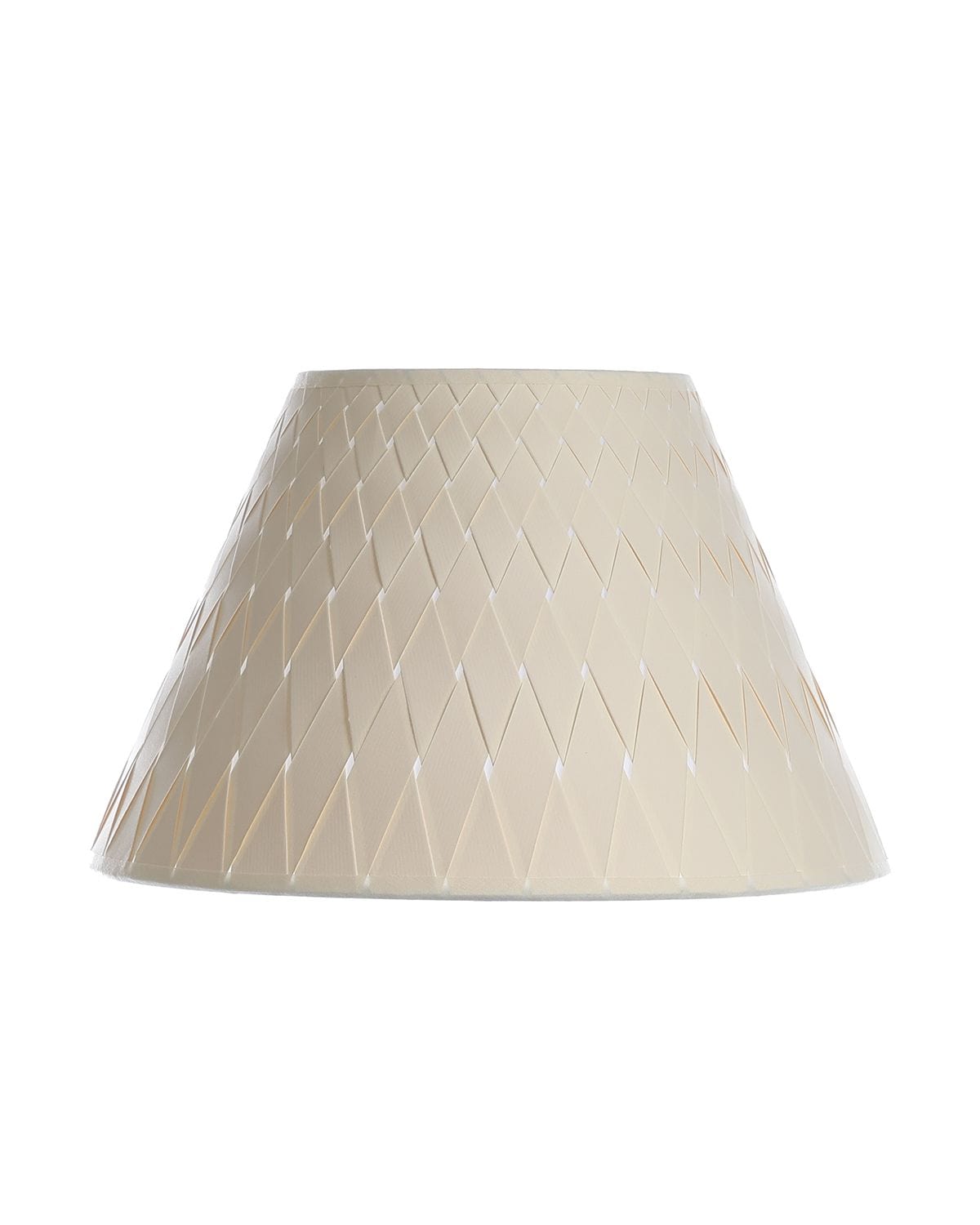
Empire
Traditional
Classic
Excellent for urn bases
Bell
Elegant
Decorative
Traditional interiors
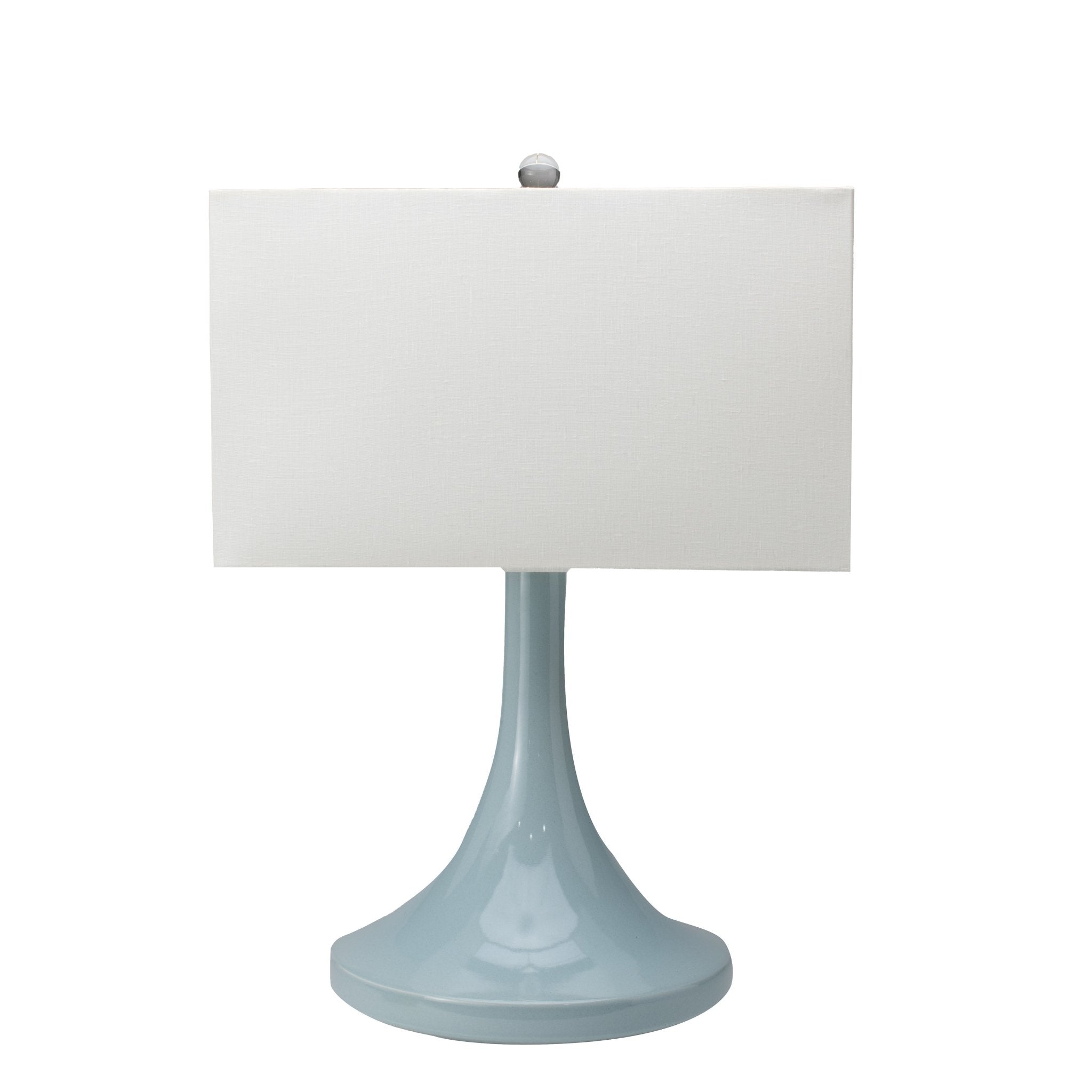
Square
Modern
Geometric
Works well with square bases
Oval
Ideal when space is limited.
Often used on buffet lamps and narrow consoles.

Identifying Your Lamp Fitter
The fitter determines how the shade attaches.
Using the wrong fitter means the shade won't fit.
Spider Fitter
The most common type.
Requires:
-
harp
-
finial
Used on most table lamps.
UNO Fitter
Threads directly onto the socket.
No harp required.
Common on bridge lamps.
Clip-On
Clips directly onto the bulb.
Usually found on accent lamps.
Euro Fitter
Larger ring.
Often used on pendant lights.
Not sure which fitter your lamp uses?
Identifying the correct fitter is essential before ordering a replacement lampshade. Read our Complete Lampshade Fitter Guide to learn the differences between Spider, UNO, Euro, Clip-On, and Washer fitters, along with photos and tips for identifying your lamp's attachment style.
Measuring Different Types of Lamps
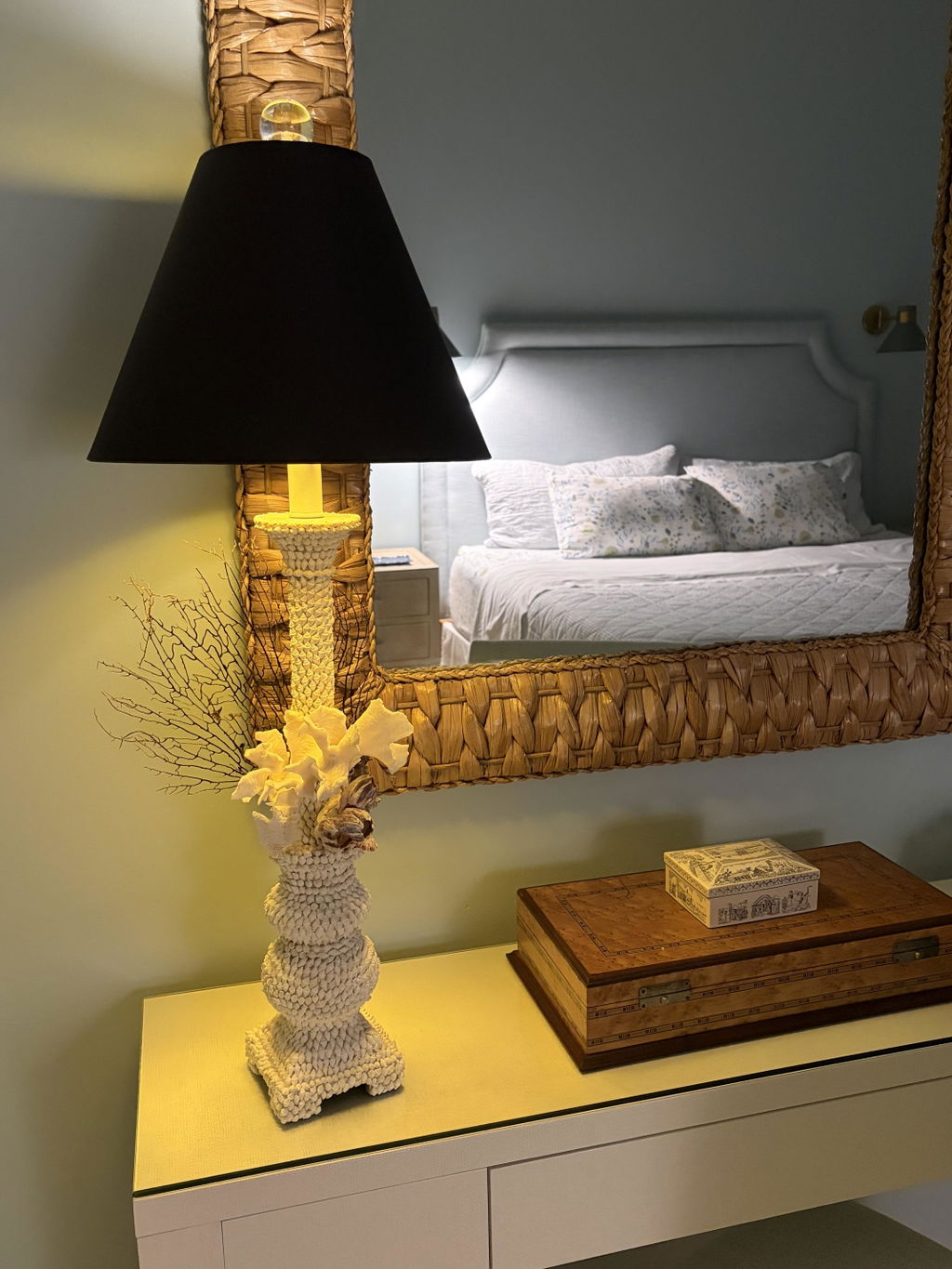
Table Lamps
Follow the standard measuring rules.
Most replacement shades fall into this category.
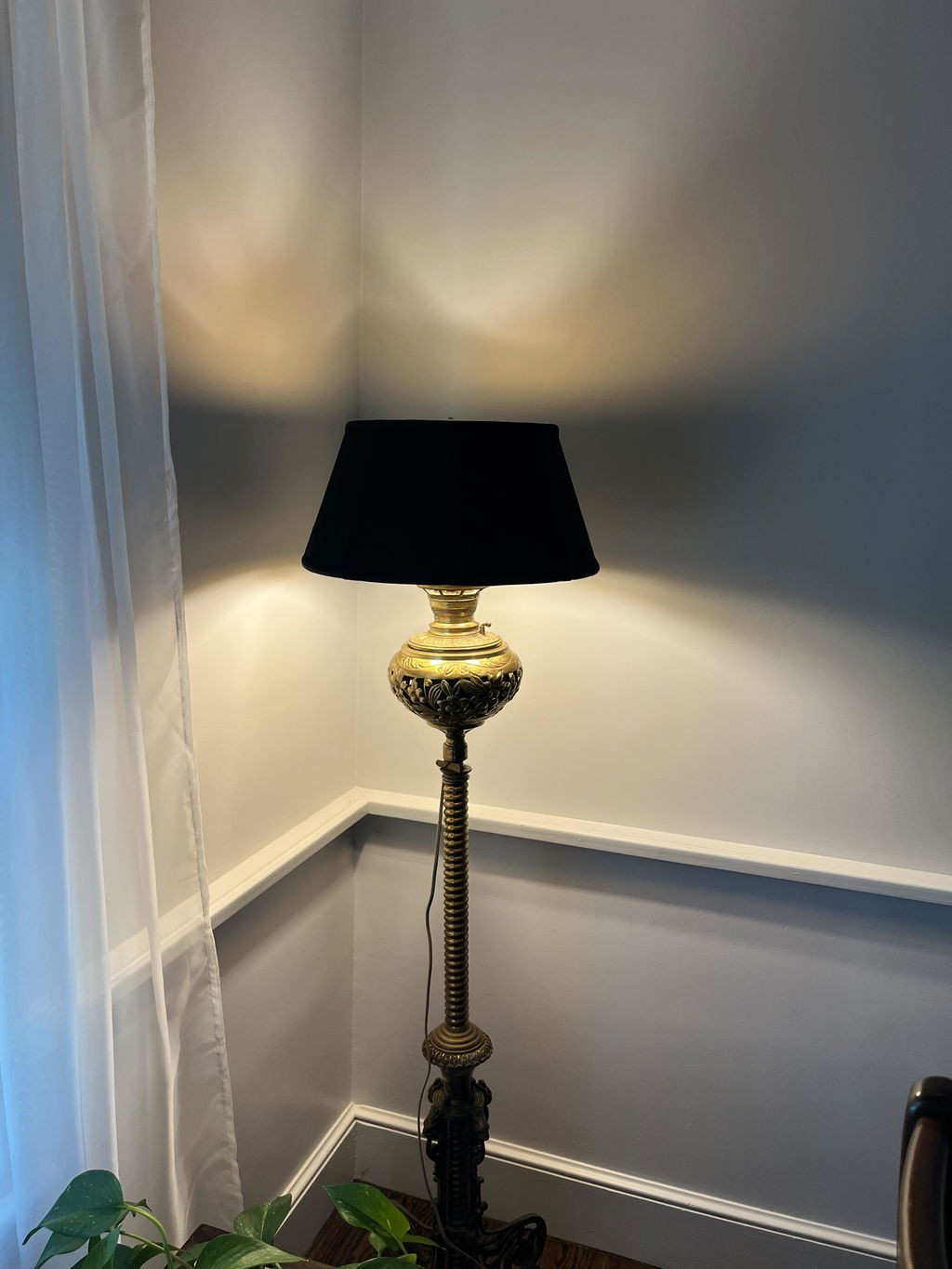
Floor Lamps
Measure from the floor to the socket.
The shade should remain proportional to the upper portion of the lamp.
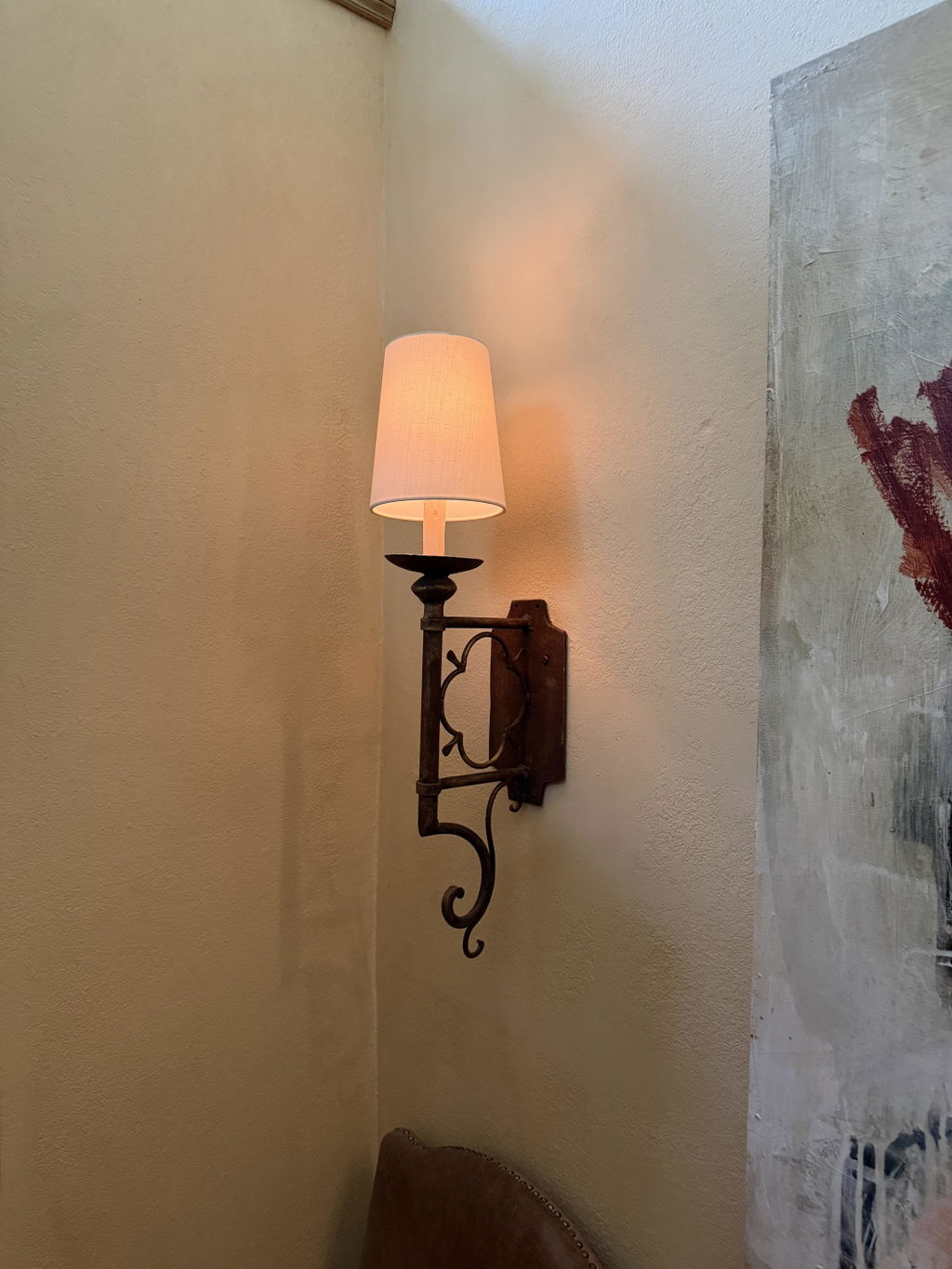
Wall Sconces
Measure:
-
height
-
wall clearance
-
width
Remember to allow enough space from the wall.
Pendant Lights
Measure:
-
fitter size
-
overall height
-
bottom opening
Pendant shades often use Euro fitters.
Common Measuring Mistakes
Avoid these common errors.
Measuring Around the Shade
Always measure straight across.
Never use the circumference.
Including the Bulb
The bulb is never included in lamp measurements.
Measuring the Harp
Harps are measured separately.
Guessing
Even being off by one inch can dramatically change the proportions.
Always measure.
Forgetting the Fitter
Many returns happen because customers choose the wrong attachment type rather than the wrong size.
Choosing Shade Material
The material affects both appearance and light.
Linen
Warm
Relaxed
Natural
Silk
Elegant
Refined
Traditional
Cotton
Versatile
Soft light
Easy to coordinate
Opaque Linings
Reduce glare
Direct light upward and downward
Ideal for bedrooms and living rooms
Vintage Lamps and Custom Lampshades
Many antique lamps weren't designed around today's standard sizes.
Custom lampshades allow you to:
-
match original proportions
-
recreate discontinued shades
-
fit oversized lamps
-
accommodate unique fitters
-
choose your preferred fabric and trim
Every custom lampshade at Lux Lampshades is handcrafted to your exact specifications, making it easier to restore heirloom lamps or create one-of-a-kind designs.
Quick Measuring Reference
| Measure | Purpose |
|---|---|
| Lamp Height | Determines shade height |
| Base Width | Determines bottom diameter |
| Top Diameter | Identifies shade opening |
| Bottom Diameter | Main replacement measurement |
| Slant Height | Standard measurement for tapered shades |
| Fitter | Determines compatibility |
Frequently Asked Questions
How do I measure a lamp for a replacement lampshade?
Measure the lamp height, the widest part of the base, and identify the fitter. If you have the existing shade, measure its top diameter, bottom diameter, and slant height.
Can I replace a lampshade without the old one?
Yes. By measuring the lamp base and following standard proportion guidelines, you can determine an appropriate replacement size.
What if my lamp is antique?
Antique lamps often require custom proportions. A custom lampshade is usually the best option for maintaining the lamp's original appearance.
What is the most common lampshade fitter?
The spider fitter is the most common on table and floor lamps.
Should I measure slant height or vertical height?
For most tapered lampshades, manufacturers use slant height.
How accurate do measurements need to be?
Measure to the nearest ¼ inch whenever possible.
Can Lux Lampshades make custom sizes?
Yes. We handcraft custom lampshades in a wide variety of sizes, shapes, fabrics, and finishes. If you're unsure about your measurements, our team can help you determine the correct size before you order.
Find the Perfect Lampshade
Accurate measurements are the foundation of a lampshade that looks beautiful and fits properly. Whether you're updating a favorite lamp, restoring an antique, or designing a completely custom piece, taking a few extra minutes to measure carefully can make all the difference.
If you're unsure about your measurements, send us photos of your lamp or existing shade. Our team is happy to help identify the correct size, shape, and fitter before you place your order.
Ready to create the perfect lampshade? Explore Lux Lampshades' handcrafted collection or take our Lampshade Quiz to discover the best style for your space.





Leave a Comment
Your email address will not be published. Required fields are marked *