


Designing a room that feels inviting, functional, and visually balanced simply cannot be done without great lighting. In room lighting design, once you understand how to layer lighting properly, you can create the atmosphere and flow of your space, the way you want. Instead of relying on one bright ceiling fixture, you can build a thoughtful mix of lights that shape the room in different ways. This lighting design guide offers practical lighting design tips and shows how to layer lighting using clear, repeatable steps for any home.
Summary
Layered lighting—ambient, task, accent, and decorative—creates an inviting, functional, and balanced room by illuminating zones based on how you use the space. Start with a soft ambient base, add focused task lights, then introduce accent and decorative fixtures to build depth and character while keeping the overall effect cohesive. Fine-tune with dimmers, smart scenes, consistent color temperatures, and intentional bulb and lampshade choices to shape mood and clarity. Regularly step back to balance brightness across areas so the room feels intentional and professionally composed. Many homeowners first learn the three types of lighting—ambient, task, and accent—before adding decorative elements; thinking through ambient vs task vs accent lighting will help you balance your lighting layers. This ambient task accent lighting approach keeps the room cohesive without glare.
Start With the Purpose of the Room
Before you bring in fixtures or choose bulbs, look at how the room truly works for you. One of the most reliable lighting design tips is to map activities to zones so the plan serves your routine. Every space has unique rhythms: perhaps you unwind, work, cook, or entertain there. When you're clear about the purpose, you can create a smart lighting strategy that ultimately gives you what you want. Look at where you stand, sit, read, gather, and walk.
These everyday moments tell you where to brighten and where to soften. Instead of thinking about lighting for the entire room at once, think in zones.
Establish the Foundation With Ambient Lighting
Ambient lighting creates the base layer. It sets the tone, fills the space with soft visibility, and guides how all other layers interact. You don't want it to be harsh or flat, but rather even, comfortable, and warm. Ceiling fixtures, recessed lights, and large floor lamps work well here because they spread light outward and help the room feel grounded.
If the space feels cavernous or overly bright, adjust the spread rather than the intensity, as most lighting design guides recommend. Keep in mind that this layer is there simply to prepare the canvas for the lighting layers you'll add next.
Add Focus and Clarity With Task Lighting

Once you create your foundation, you can bring in targeted light that supports daily routines. Task lighting is there to help you do things like cook safely and read without straining your eyes. Place focused lights exactly where you need them, not just where you happen to have outlets or existing wiring.
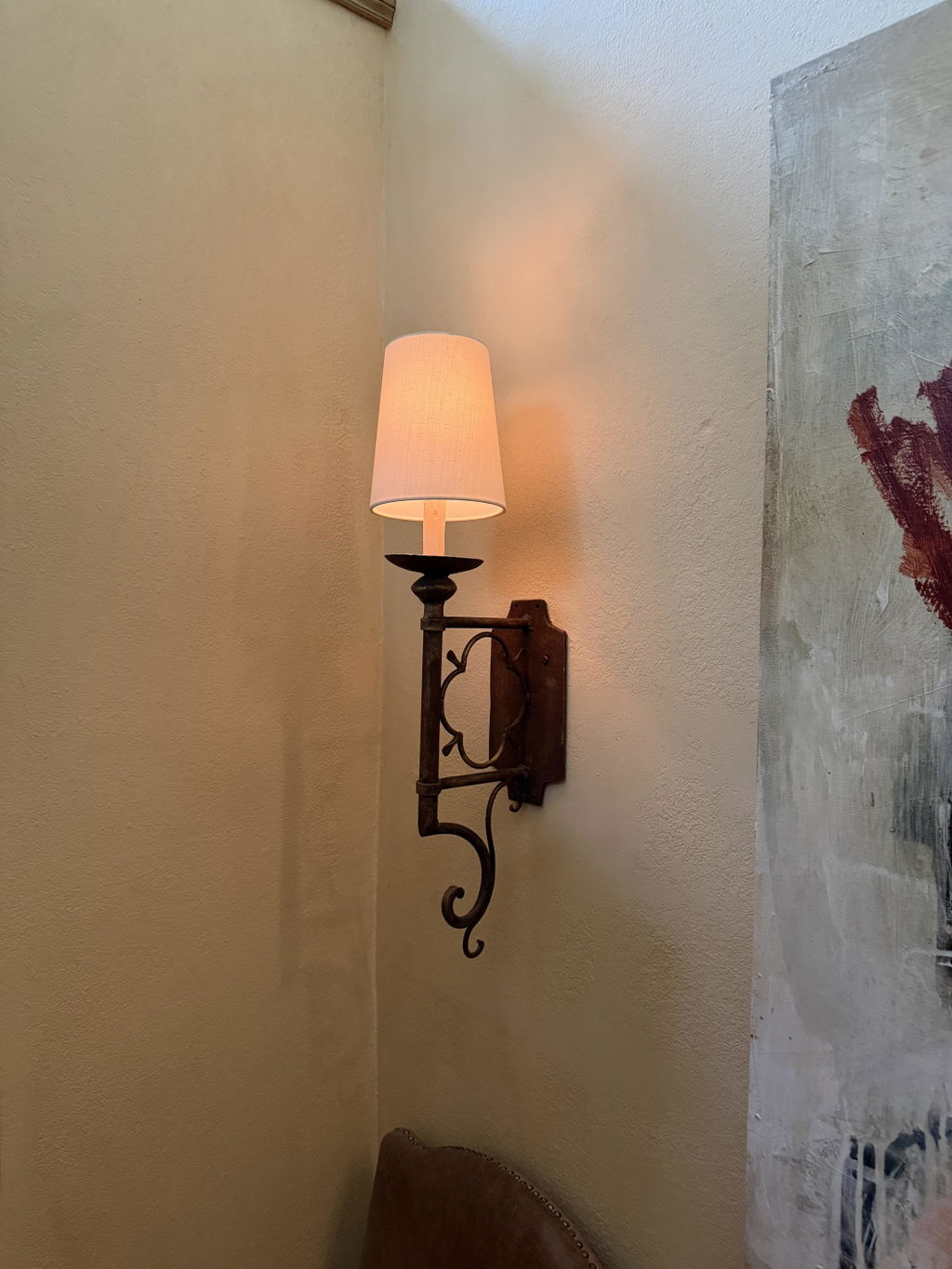
Under-cabinet lighting, desk lamps, custom fabric pendants over islands, and adjustable sconces make these zones feel purposeful. As you incorporate these pieces, always think about how to layer lighting in a room so the task lights complement the ambient glow rather than overpower it.
Create Depth Using Accent Lighting

Accent lighting adds dimension and personality. It highlights the details you love: a framed photo, a piece of art, a textured wall, or unique architectural lines. While task lights focus on utility, accent lights focus on storytelling.
Use picture lights, spotlights, LED strips, or small table lamps to build subtle highlights around the room. If every corner glows equally, you'll lose depth, so pick one or two features to emphasize. These visual anchors draw the eye and help the whole space feel curated and well-composed.

Use Decorative Lighting as Both Style and Function
Decorative lighting brings character and visual balance. Chandeliers, sculptural pendants, and stylish lampshades can enhance your design and define zones without overwhelming them. A custom lampshade tailored to your palette or proportions can subtly solve scale issues. The key is choosing pieces that complement the architecture rather than distract from it.
A bold fixture can elevate a living room or entry, but only if it fits the scale and doesn't clash with other elements. Even small details, such as the shape of a lampshade or the finish of a metal base, can subtly guide the room in a more cohesive direction. These choices bring warmth, texture, and visual contrast, which are all essential parts of a layered lighting design.
Build a Cohesive Lighting Strategy
Now that the layers are in place, step back and look at how they interact. The goal is to make the room feel unified. Blend ambient, task, accent, and decorative pieces so that light flows evenly from one area to another. Overlapping light pools reduce harsh edges and shadows, making your space feel more comfortable.
As you refine, pay attention to balance. If one side of the room feels very bright, while the other side feels muted, shift your focus and adjust. This step is where you can bring both your home and your lighting to a new level. Cohesion makes the place look intentional and like a professional interior designer had a hand in curating it. Whether you're exploring "how to layer lighting in living room," "how to layer lighting in kitchen," or "how to layer lighting in bedroom," the same sequencing principles apply.
Control the Mood With Dimmers and Smart Settings

Dimmers instantly expand what your lighting can do by helping you adjust brightness depending on the time of day, your mood, or your activity. Soft illumination in the evening creates calm, while bright light during meal prep or paperwork keeps you efficient. Smart lighting systems push this even further by allowing you to set custom scenes and schedules. These controls make your lighting feel dynamic and help maintain the layered effect with ease.
Make Color Temperature and Bulb Selection Work for You
The type of bulb you choose matters more than most people realize. Color temperature affects whether your space feels warm and cozy or crisp and lively. Make sure you keep temperatures consistent across the room to avoid visual confusion. Warm white typically works well for living spaces, while cooler light can help in work zones.
Once you understand how bulbs affect the mood, you can use them strategically to support your lighting layers. These choices play a major role in creating a polished, modern, and harmonious atmosphere.
Use Lampshades to Your Advantage
Strong, bright lighting can be extremely useful in some cases, but if you want a warm and cozy atmosphere in your room, that just won't work. Choosing a proper lampshade can greatly influence how a space is lighted.
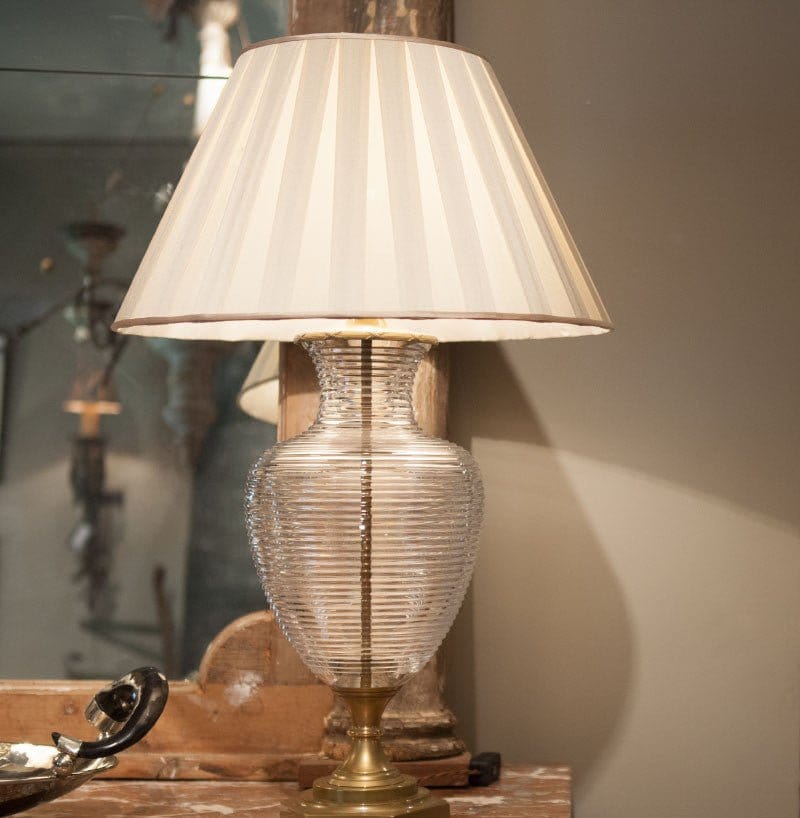
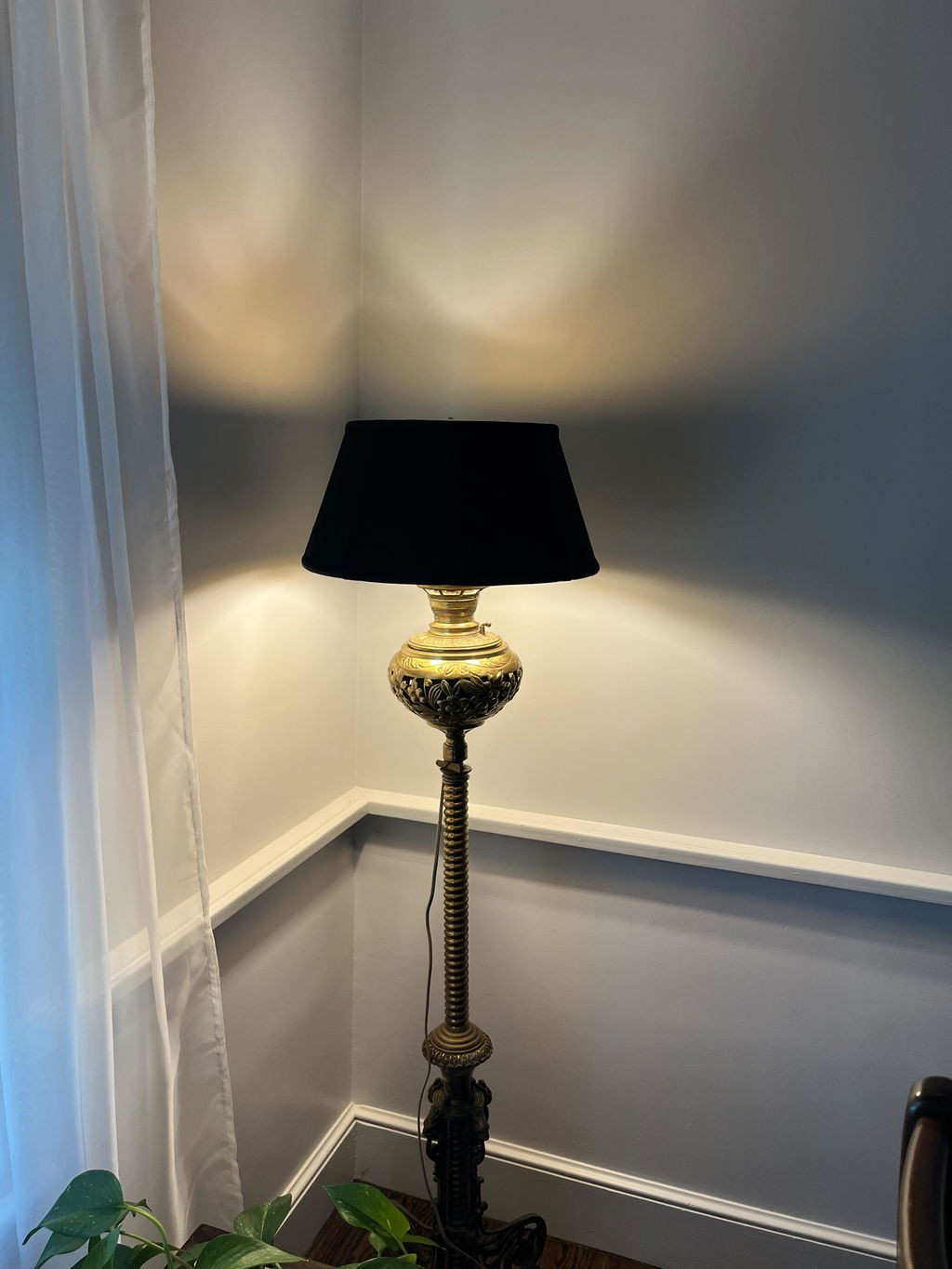
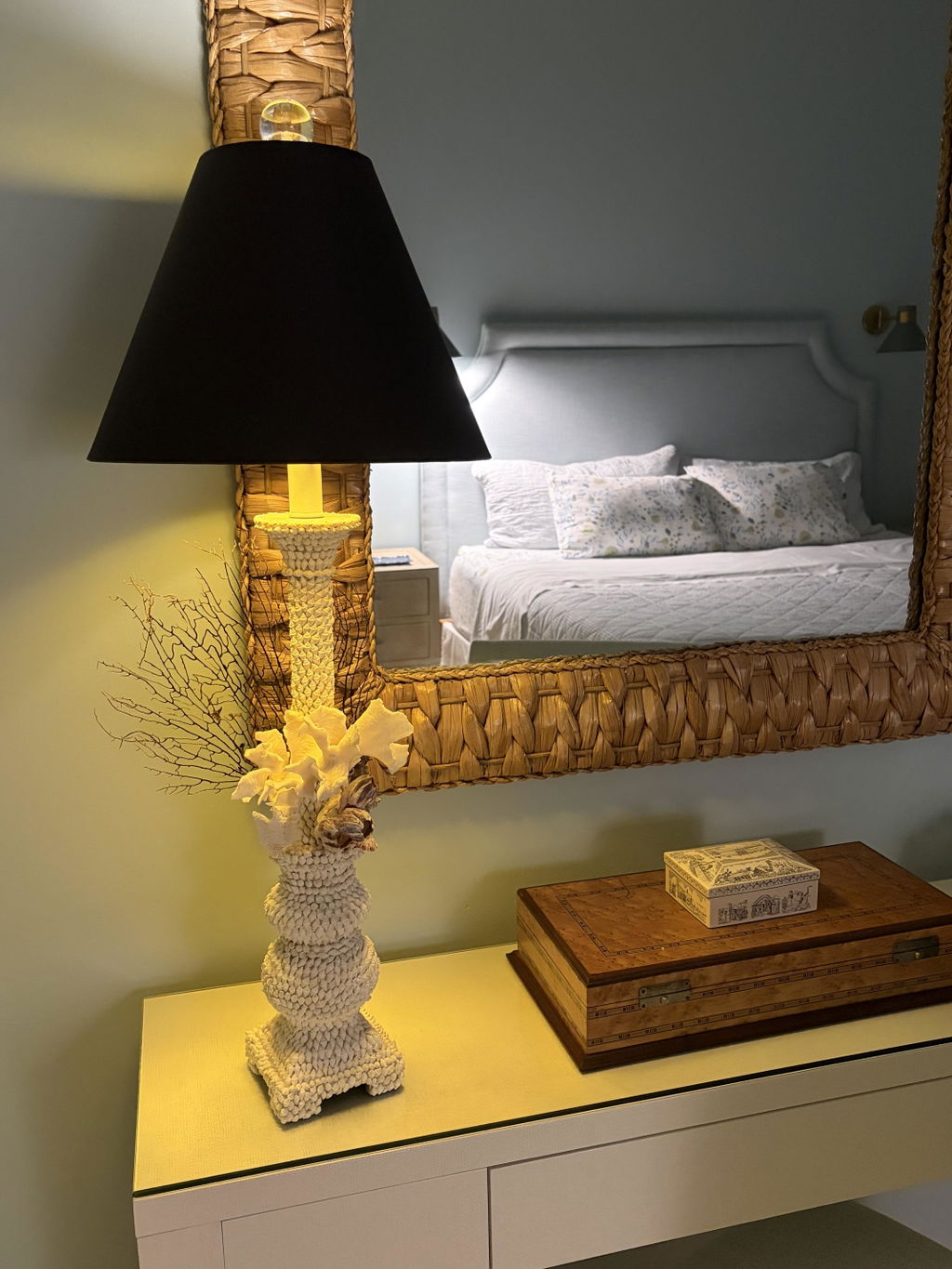
For example, a thinner, lighter-colored one (such as white or beige) will let more light through, resulting in a brighter space. On the other hand, a darker lampshade (like brown or black) can make the room feel moodier and more atmospheric, which can be great for a study or library.
Consider a custom lampshade when you need precise diffusion or a specific fabric; even stick lampshades can shift the character of a space. If you’ve ever searched lampshade by mistake, you’re not alone—just be sure to confirm size, lining, and fitter type before buying.
The color of your lampshade is really impactful. It can cast a hue on your room and change the way your other furniture and walls look, so be careful when you choose.

Crafting Light That Feels Like Home
Professional-looking lighting doesn't require you to have expensive fixtures; you just need to create intentional layers that work together effortlessly. Once you truly understand how to layer lighting, you'll be able to transform every corner of your home into a balanced, welcoming, and beautifully finished space.
Upgrade Your Lighting With Lux Lampshades
Ready to elevate your lighting design? At Lux Lamp Shades, you can find premium lampshades, custom options, and handcrafted styles that bring texture, warmth, and personality to your layered lighting plan.
Q&A
Question: What does "layered lighting" mean, and why is it essential?
Short answer: Layered lighting uses four complementary types—ambient, task, accent, and decorative—to create rooms that feel inviting, functional, and visually balanced. Many guides describe the three types of lighting first; comparing ambient vs task vs accent lighting clarifies each role before you add decorative elements.
Question: How should I start planning the lighting for a room?
Short answer: Begin with the room's purpose and think in zones. Identify where you sit, read, cook, work, gather, and walk; those everyday moments reveal where to brighten or soften. Build from the ground up: establish an even, comfortable ambient base; add targeted task lights exactly where you need them (e.g., under-cabinet lighting, desk lamps, custom fabric pendants, adjustable sconces); then introduce accent lighting to spotlight favorite details; finally, use decorative pieces to reinforce style and define areas without overwhelming them.
Question: How do I keep the room balanced and avoid harsh or flat lighting?
Short answer: Aim for even, comfortable ambient light and adjust the spread (how broadly light is cast) rather than just cranking intensity. Overlap light pools so transitions between areas are soft, not abrupt. Step back periodically: if one side feels bright and another muted, shift fixtures or add/subtract light to restore balance. For accents, highlight one or two features—if everything glows equally, you lose depth. Choose decorative fixtures that fit the room's scale and architecture so they enhance, not distract.
Question: How can dimmers and smart settings improve my lighting?
Short answer: Dimmers expand flexibility by letting you tune brightness to the time of day, activity, or mood—brighter for cooking or paperwork, softer for evenings. Smart systems go further with custom scenes and schedules that keep your layered effect intact with minimal effort. These controls make your lighting dynamic and help maintain both comfort and clarity as needs change.
Question: How do bulb choice, color temperature, and lampshades affect the mood?
Short answer: Bulbs shape atmosphere as much as fixtures do. Keep color temperatures consistent across a room to avoid visual confusion—warm white typically suits living areas, while cooler light can support work zones. Lampshades also change output and feel: lighter, thinner shades let more light through for a brighter effect; darker shades create a moody, atmospheric vibe ideal for spaces like studies. Shade color can cast a tint on nearby walls and furnishings, so choose thoughtfully to keep the room cohesive.







Leave a Comment
Your email address will not be published. Required fields are marked *