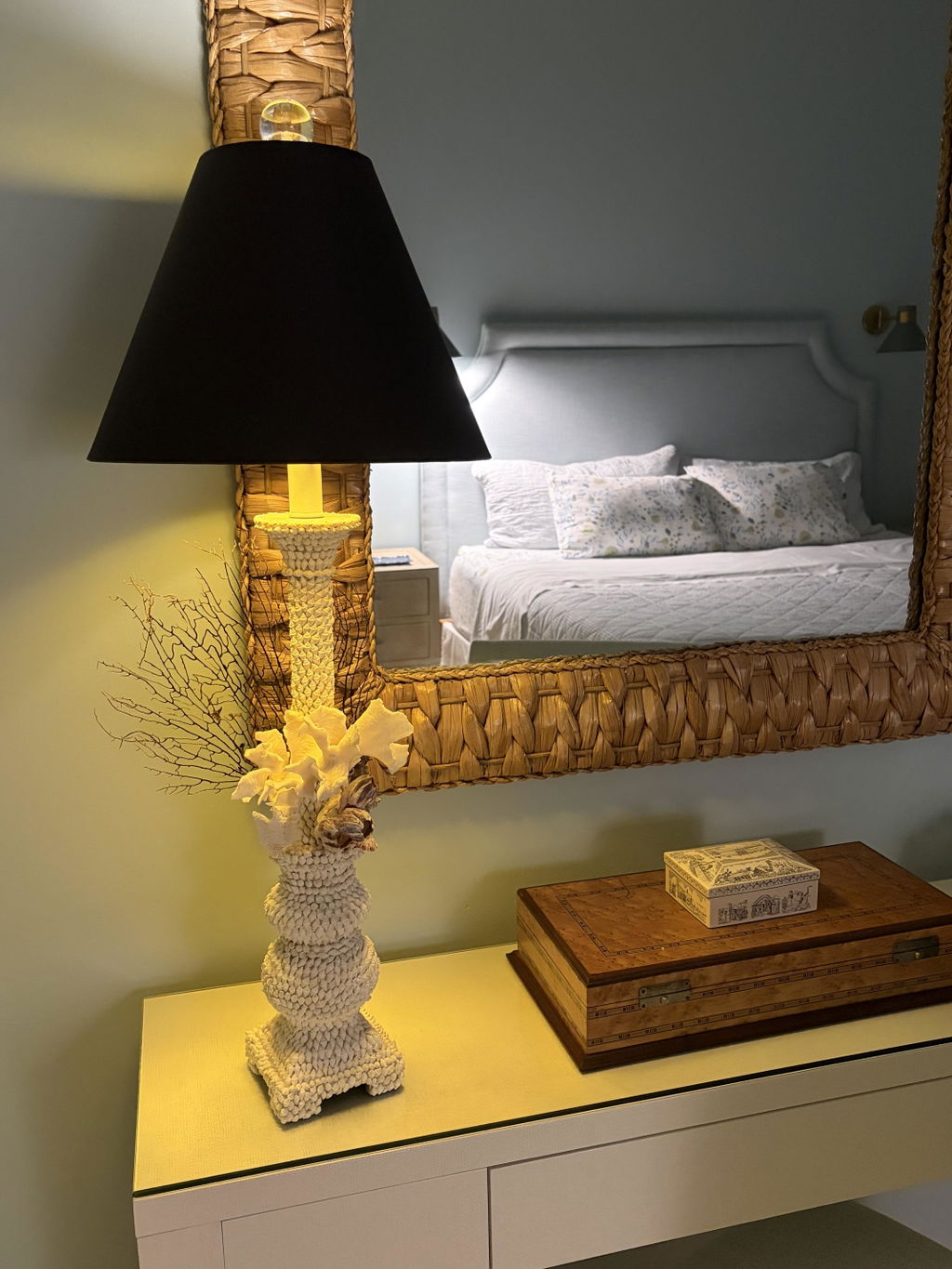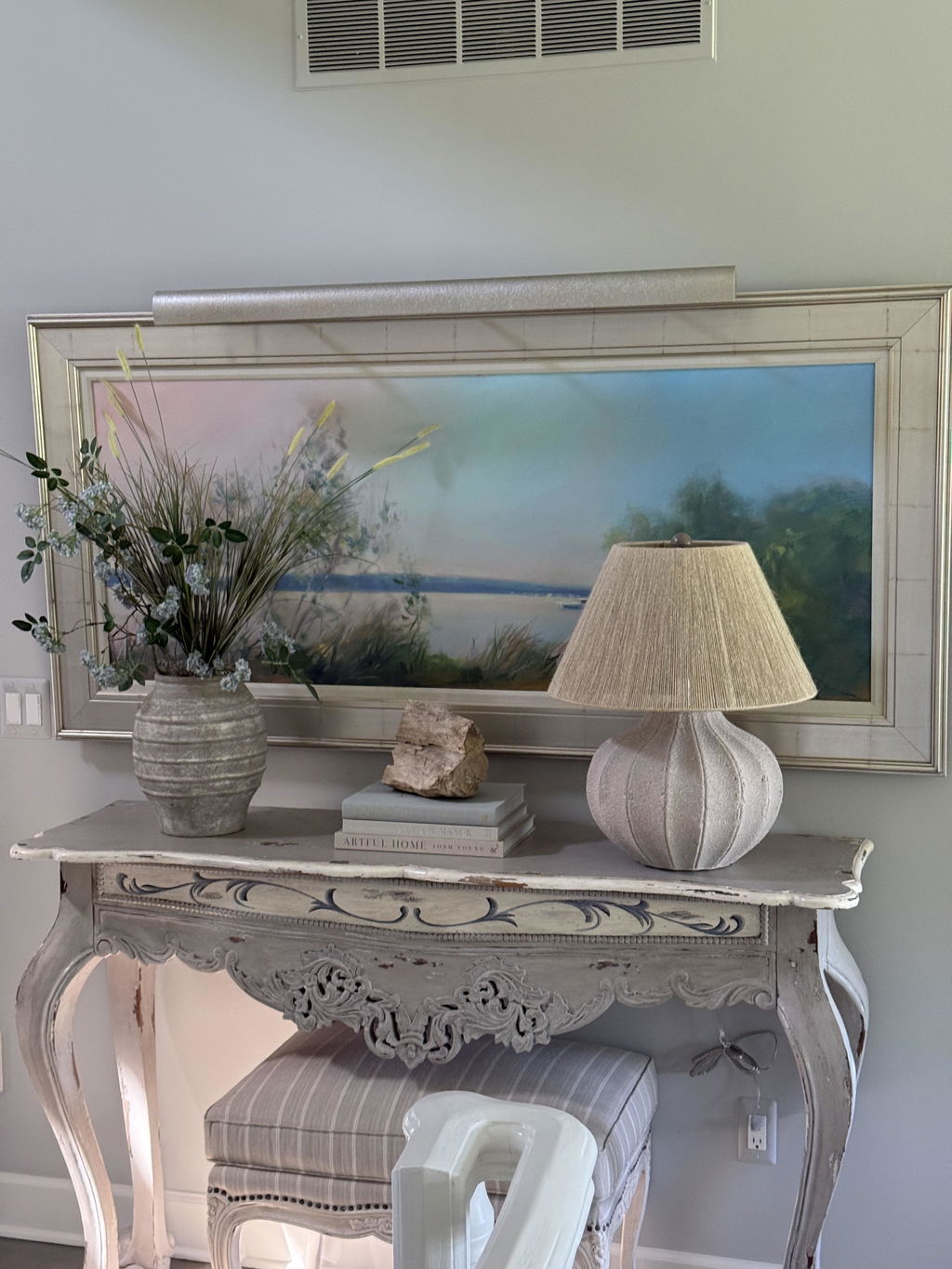

Light Bulb Color Temperatures Home Guide
Light bulb color temperature has a significant effect on how an interior feels. A warm bulb can make a living room feel intimate and inviting, while cooler light can create a crisper, more alert atmosphere. But the number printed on the bulb is only part of the equation. Lampshade material, fixture type, surrounding finishes, and other light sources all influence what we ultimately perceive in the room.
Color temperature is measured in Kelvin (K). Counterintuitively, lower Kelvin values produce warmer, more amber light, while higher values appear cooler and bluer. Understanding those ranges and how they interact with decorative lighting makes it easier to create a cohesive lighting plan.
2200K to 6500K: What Each Kelvin Range Looks Like
A light bulb color temperature chart is a useful starting point for comparing bulbs:

For many homes, 2700K to 3000K is a good choice. Both provide warmth without the pronounced amber character of lower temperatures.
At the ends of the spectrum, the effect becomes more distinctive. A 2200K bulb can evoke candlelight and work beautifully when atmosphere is the priority. Bulbs around 4000K and above feel considerably cooler and may be more appropriate where clarity or task visibility takes precedence over a traditionally warm or cozy space.
Choosing the Right Warmth for Interior Lighting
There is no single ideal light bulb color temperature for every room. Start with what happens in the space and the atmosphere the lighting needs to support.
Living rooms, bedrooms, and dining spaces often benefit from warmer illumination. These rooms typically contain textiles, wood, artwork, and decorative finishes that can gain richness under warm light. Kitchens, bathrooms, offices, and other task-focused areas may call for somewhat cleaner illumination.
The interior palette matters, too. Warm light can emphasize creams, warm woods, reds, and earthy colors. Cooler illumination may feel more natural alongside crisp whites, blues, grays, stone, and certain contemporary finishes.
Designers should also consider lighting as a layer rather than evaluating each bulb independently. Architectural lighting may establish general illumination while table lamps, floor lamps, sconces, and pendants create more localized pools of light. Different sources can serve different purposes without making the room feel visually disconnected.
How Shade Material Changes Perceived Light Color
A Kelvin rating describes the bulb, but it does not guarantee that the light will look identical in every fixture. A lampshade becomes part of the optical and decorative experience.
Material color, density, texture, lining, and construction can filter or redirect illumination. That is one reason a bulb viewed uncovered can appear different once placed behind a shade.
Linen and Silk
Linen is valued for its natural texture and versatility. Depending on its color and weave, it can gently diffuse illumination while retaining the relaxed character of the material. Natural and warmer linen tones can make already-warm lighting feel especially inviting.
Silk introduces a different quality. Dupioni silk, for example, has subtle texture and luster that can give both the shade and the illuminated surface greater visual depth. Its effect will vary with fabric color and construction, making material samples especially useful when lighting specifications are sensitive.
Raffia, Vellum, and Specialty Papers
Raffia can bring pronounced organic texture to a fixture. Its natural coloration may contribute additional warmth, particularly when paired with lower-Kelvin bulbs.
Vellum and specialty papers offer another design vocabulary, ranging from softly translucent effects to more architectural surfaces. Color, thickness, and opacity all affect how illumination reads through or around the shade.
When the exact effect matters, evaluate the shade material with the intended bulb rather than choosing each component separately.
Keeping Light Color Consistent Across a Room
Consistency becomes especially important in open floor plans and spaces where several decorative fixtures are visible simultaneously. A 2700K table lamp beside a noticeably cooler pendant can create a disconnect even when both fixtures are individually attractive.
That does not mean every source must be identical. Instead, establish a clear lighting hierarchy. Bulbs serving similar decorative purposes can usually share a color-temperature family, while task lighting can be somewhat different when there is a functional reason.
Also consider adjacent rooms. In a connected living, dining, and kitchen area, dramatic shifts in color temperature may become more apparent because the sources can be seen together.
Bulb specifications beyond Kelvin matter as well. Color rendering, brightness, dimming performance, and the fixture or shade surrounding the bulb can all influence the final result. When specifying several fixtures, testing representative bulbs in the actual materials and finishes can be more revealing than relying on packaging alone.
When specifying several fixtures, test representative bulbs in the actual shade materials and surrounding finishes whenever possible. The final appearance can differ from what packaging alone suggests.
Choose Color Temperature by Decorative Fixture
Decorative lighting is experienced as a combination of bulb, fixture, and material. Selecting color temperature with the fixture in mind creates a more intentional result.
Decorative lighting is experienced as a combination of bulb, fixture, and material. Selecting color temperature with the fixture in mind creates a more intentional result.
Table and Floor Lamps
Table and floor lamps often provide the softer lighting layers that make residential interiors feel comfortable in the evening. Warm-white bulbs are therefore a natural starting point for many applications.
The shade then modifies that effect. A natural linen or raffia shade can reinforce warmth and texture, while a lighter or more translucent material may allow the illumination to feel brighter. Shade size and construction also influence how much light is directed upward, downward, and through the material.
This is where changing a shade can have an unexpectedly large impact. The lamp remains the same, but its relationship with the room can change through proportion, material, color, and light diffusion.
Pendant Lighting
Pendant lighting often has a larger visual and functional role. A pendant may provide ambient illumination, illuminate a dining table, define a seating area, or become a decorative focal point.
For dining and hospitality-inspired settings, warmer color temperatures can support a more intimate atmosphere. In kitchens or multifunctional spaces, a slightly cleaner white may work better alongside task lighting.
Shade material remains part of the specification. A pendant with a highly opaque shade will direct light differently from one made with a more translucent material, even when both contain bulbs with the same Kelvin rating.
For higher-value decorative fixtures in particular, consider bulb and shade together rather than treating the light source as an afterthought.
Find a Lampshade That Complements Your Lighting
A light bulb color temperature chart can tell you whether a bulb falls toward the warm or cool end of the spectrum, but creating successful interior lighting requires understanding how that light interacts with the room.
Start with the desired atmosphere, choose an appropriate Kelvin range, and then consider the fixture, lampshade material, opacity, and surrounding finishes. Whenever possible, evaluate these elements together under real conditions.
Lux Lampshades works with designers to create stock, semi-custom, and fully custom lampshades in a wide variety of materials. We also carry a selection of bulbs to help you fine-tune the color temperature and overall lighting effect for your lamp and interior.
Explore lampshades and pendant lighting from Lux Lampshades to find a combination of material, proportion, and craftsmanship that supports the lighting effect you want to create. Because the right light is about more than the bulb alone.