
How to Design Custom Lamp Shades for Your Space
When a lampshade is well-designed its proportions influence the balance of the piece as a whole, its material affects the quality of light, and details such as trim and pleating can help connect the lamp to the wider room.
When thinking about designing custom lamp shades it is less about choosing a fabric in isolation and more about considering the lamp, shade, and space as one composition. Whether you are specifying lighting for a residential interior, hospitality project, or a single statement lamp, a clear design process helps translate the initial idea into a shade that can be successfully produced by the workroom.
For designers researching how to make or design custom lamp shades, the following framework covers the decisions that matter most, including measurements, materials (including COM), and construction.
Start With a Five-Part Shade Design Brief
Before selecting materials, establish a concise design brief. Five questions can clarify most of the decisions that follow:
| Design Question | What to Consider |
|---|---|
| What lamp or fixture? | Consider its scale, silhouette, material, and visual weight. |
| Where will it be used? | A bedside lamp, console lamp, reading light, and decorative pendant each have different functional requirements. |
| What should the shade contribute? | Decide whether it should quietly complement the room or become a focal point. |
| What kind of light? | Think about ambient light, task lighting, and the desired degree of diffusion. |
| How customized? | The right solution may be a standard shade, a modification to an existing design, or a fully original specification. |
This brief gives the designer and workroom a shared starting point and can prevent aesthetic choices from conflicting with practical requirements later.
Measurements for the Lamp, Fitter, and Space
Successful custom design lamp shades begin with accurate measurements. Record the lamp's overall height and width along with the dimensions of the existing shade, if there is one. For the new shade itself, the key dimensions generally include top diameter, bottom diameter, and vertical or slant height, depending on the shape.
Consider the Fitter
The fitter deserves equal attention. Its type, size, and position determine how the shade connects to the lamp or fixture and where it ultimately sits.
Consider the Surrounding Space
A shade may be proportional to its lamp but still feel too large for a narrow console, too small beside substantial furniture, or poorly positioned relative to nearby artwork and architectural elements.
Document the Details
For projects involving several lamps or custom dimensions, documenting measurements, reference photographs, and intended locations can make collaboration with the workroom considerably more efficient.
Choose a Shape That Supports the Lamp and Room
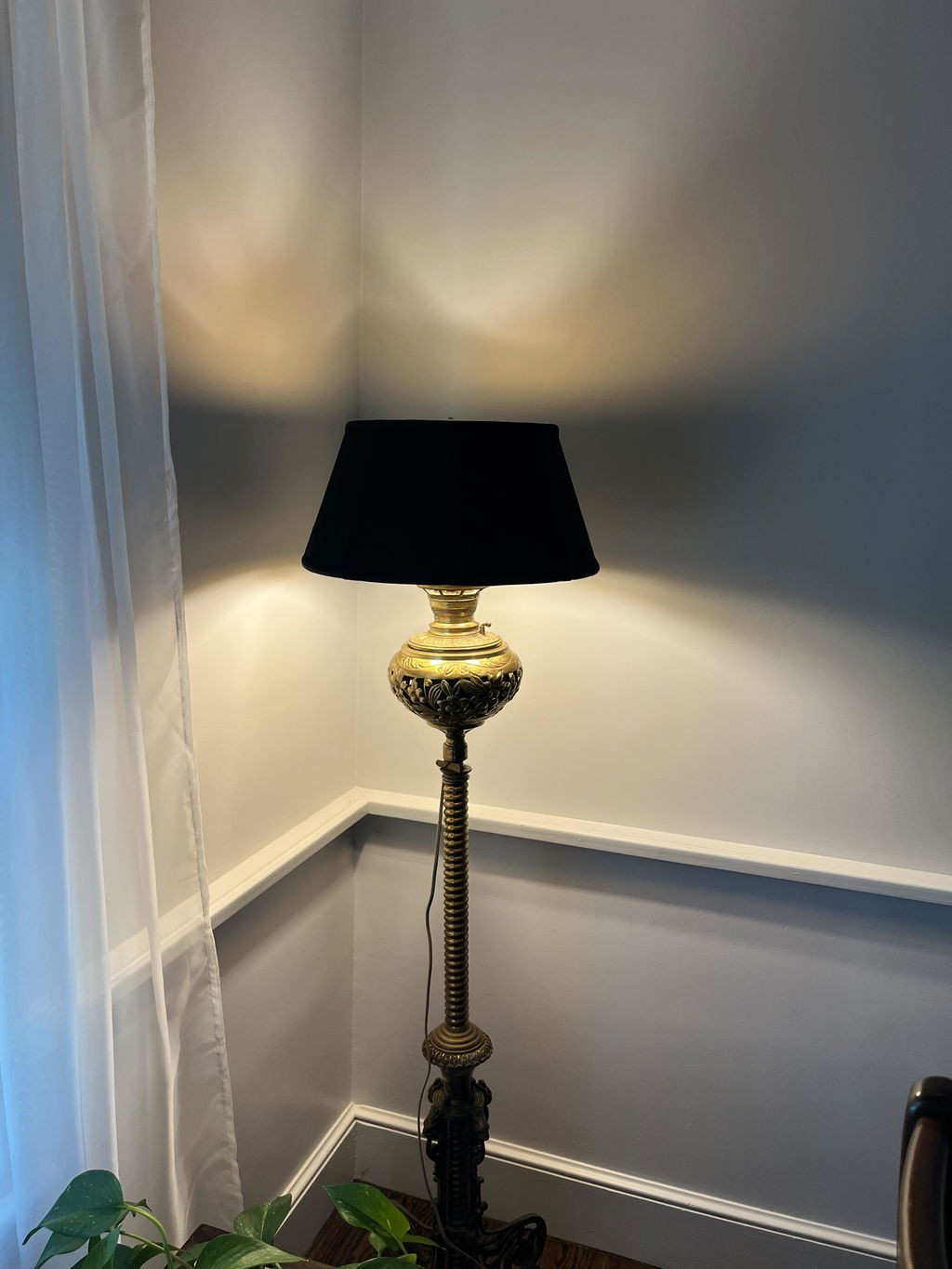
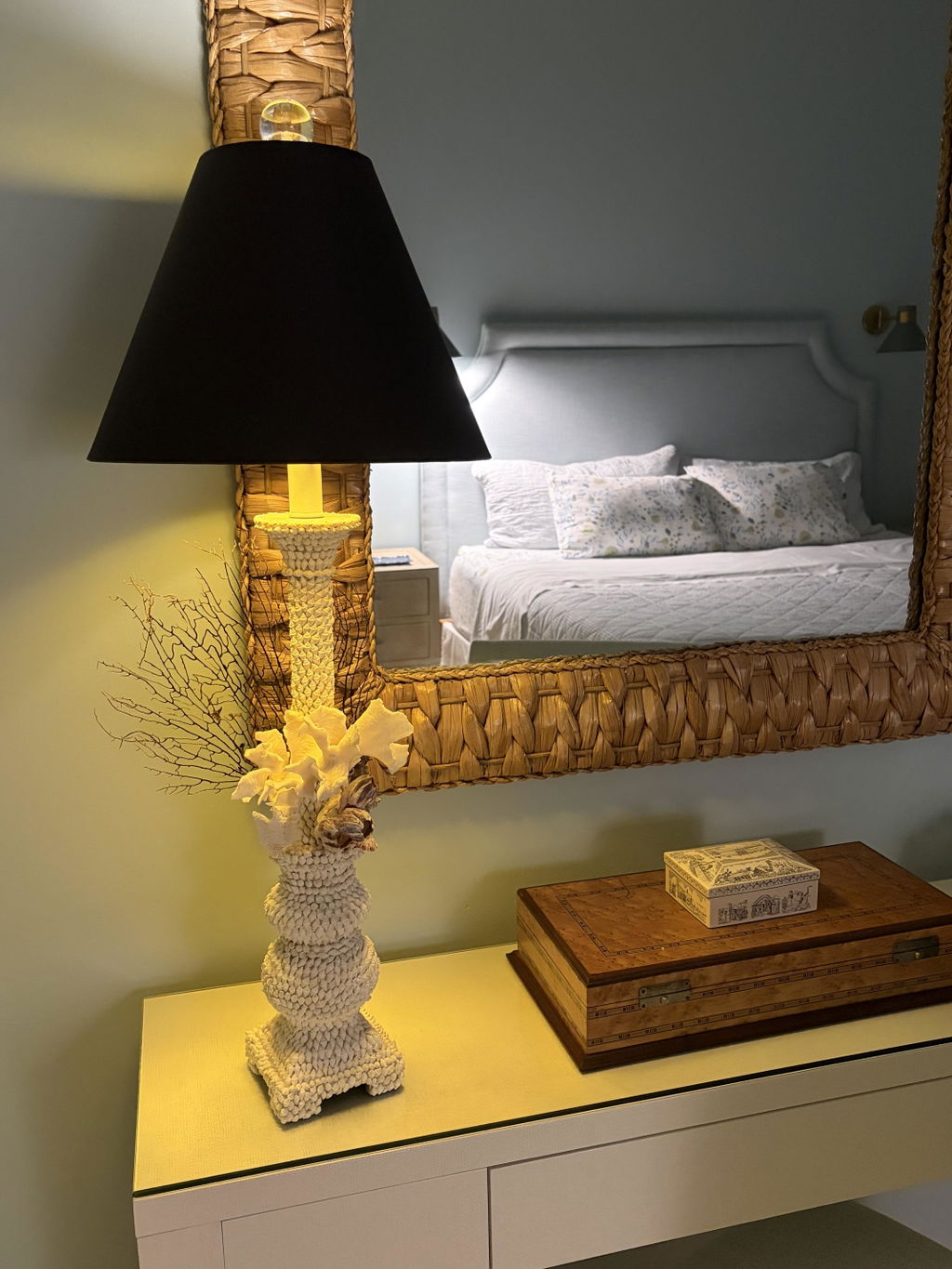
Shape establishes much of a lamp shade's visual character. Drum shades offer a clean, architectural profile, while tapered forms can complement traditional and transitional lamps. More distinctive silhouettes can introduce another layer of personality to a room.
Rather than selecting a shape by style label alone, consider its relationship to the lamp. Does it repeat the lines of the base or create an intentional contrast? Does its width balance the lamp's visual weight? How does its silhouette relate to the furniture and lighting elsewhere in the room?
For custom projects, small adjustments to familiar shapes can also make a meaningful difference. Changing the taper, height, diameter, or proportion may be enough to make a shade feel specifically designed for its setting.
Custom design is less about following a fixed shade formula and more about creating a relationship between the lamp, shade, and surrounding space.
Materials for Texture, Color, and Light
Material selection affects both appearance and illumination. The same shade shape can read very differently when made in crisp linen, lustrous silk, organic raffia, or translucent paper.
Compare Linen, Silk, Raffia, Vellum, and Paper
Linen brings natural texture and an understated character that works across a broad range of interiors. Dupioni silk offers greater sheen, depth, and subtle variation, making it particularly effective when a more refined finish is desired.
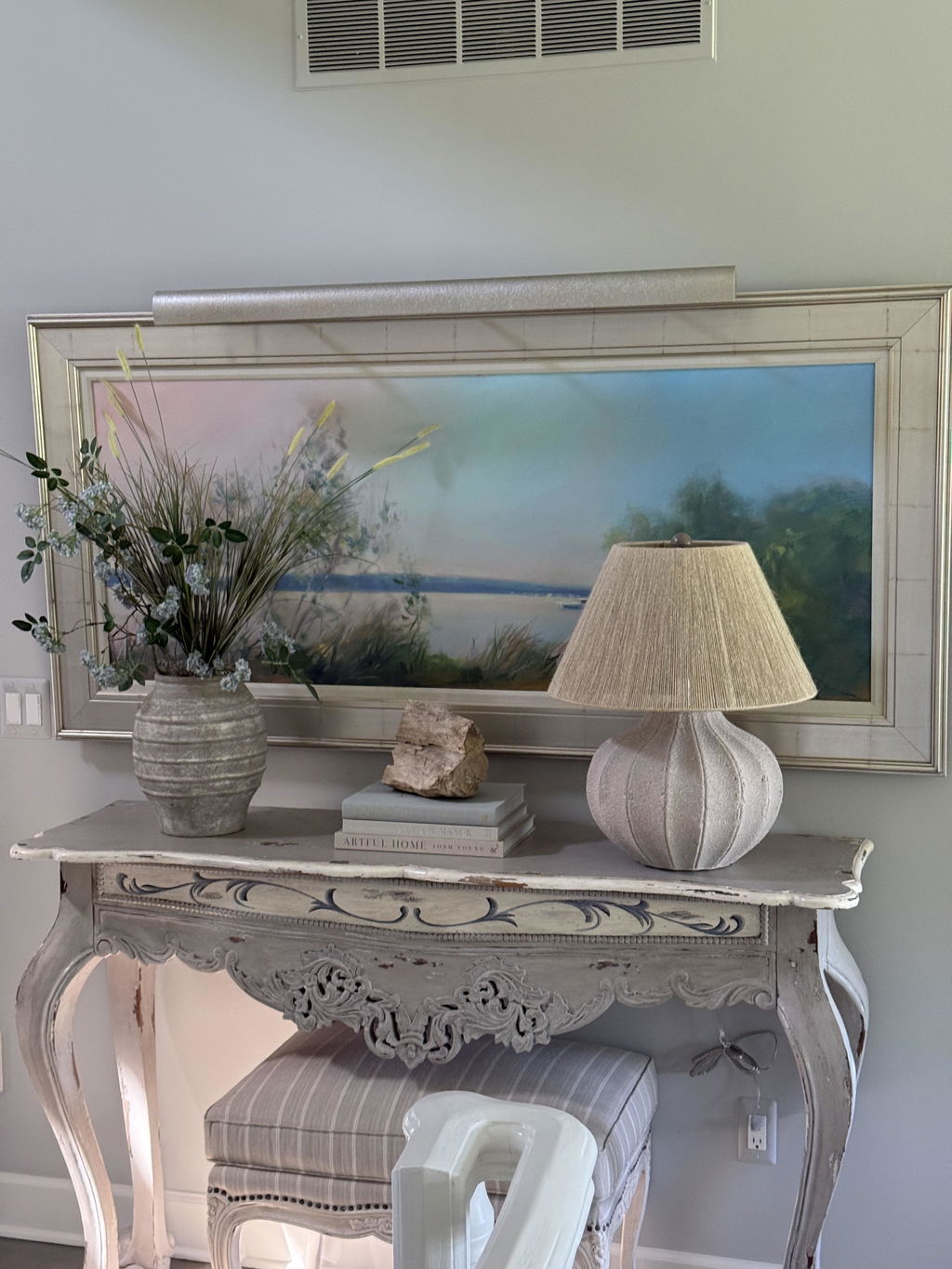
Raffia contributes visible texture and an organic quality, while vellum and specialty papers can create cleaner, more architectural surfaces. Each material interacts with light differently, so the decision should consider the shade both illuminated and unlit.
Check Opacity, Pattern Scale, and Seam Placement
Opacity determines how much light passes through the shade and how prominently the lamp itself illuminates the material. Consider whether the desired effect is a soft glow, stronger ambient illumination, or primarily directional light.
With patterned fabrics, examine the repeat and scale in relation to the finished shade. A pattern that works beautifully across upholstery may require careful placement on a smaller, tapered surface. Seams should also be considered during specification, particularly when working with motifs, stripes, or other directional designs.
Customization Options for Different Project Needs
Not every project requires the same degree of customization. One advantage of working with Lux Lampshades is the ability to move across a spectrum of stock, semi-custom, and fully custom solutions.
Standard Shades for Straightforward Needs
A ready-made shade can be the right answer when an established size, shape, and material already suit the lamp. This is often the most efficient route for projects that do not require unusual proportions or detailing.
Semi-Custom Options for Targeted Changes
Semi-custom shades allow designers to begin with an existing design and introduce selected modifications. Depending on the project, that might mean adjusting dimensions or adding decorative trim and other details.
Fully Custom Designs for Original Specifications
Fully custom lamp shades provide greater freedom over shape, dimensions, materials, construction, and finishing details. They are well suited to distinctive lamp bases, unusual proportions, designer-specified materials, and projects where the shade needs to fulfill a highly specific aesthetic role.
At Lux Lampshades, custom work is approached as a collaboration: the designer brings the creative direction, while the workroom helps translate that vision into a thoughtfully constructed finished piece.

Preparing COM Fabric for the Workroom
Customer's Own Material, or COM, gives designers the opportunity to connect a lamp shade directly to the textile story of a room. It can be an effective way to repeat a fabric, introduce a coordinated pattern, or specify a material selected specifically for the project.
What to Consider With COM
Not every textile behaves the same way on a shade. Fabric weight, weave, stretch, pattern repeat, directional motifs, and usable width can all affect fabrication. Pattern placement may also increase the amount of material required.
Before sending COM, share the fabric specifications and desired placement with the workroom whenever possible. Confirming suitability and yardage in advance can help preserve the design intent and avoid surprises during fabrication.
Trim and Construction Details With Purpose
The finishing details should reinforce the larger design rather than compete with it. Decorative trim can introduce contrast, echo another color in the room, or give a simple silhouette greater definition. Pleating can add texture and rhythm, while carefully executed edges create a more tailored finish.
Construction choices matter visually as well. Traditional techniques such as careful fabric stretching, pleating, and hand-rolled edges contribute to the character of a finished shade.
The most successful details have a reason for being there. Material, proportion, trim, and construction should work together to support the overall design.
For a restrained interior, that may mean allowing the material and proportion to carry the design. For a more layered room, trim, pleating, or a distinctive textile may provide exactly the additional detail the lamp needs.
Ready to Turn Your Design Into a New Shade?
Designing a custom shade comes down to a series of connected decisions: understand the lamp and its setting, establish the right measurements, select a complementary shape, consider how the material interacts with light, and refine the design through appropriate construction and finishing details.
Since 2002, Lux Lampshades has combined traditional lampshade craftsmanship with the flexibility designers need for contemporary projects. Our capabilities span ready-made shades, semi-custom modifications, fully custom designs, and COM, giving designers room to specify the level of customization that makes sense for each project.
Explore Lux Lampshades' custom lamp shade options, or register for a designer account to collaborate with our team on specifications for your upcoming project.
Explore Custom Lamp ShadesFrequently Asked Questions
What measurements are needed for a custom lamp shade?
Key measurements generally include the lamp's overall height and width, the existing shade dimensions if applicable, and the new shade's top diameter, bottom diameter, and vertical or slant height depending on the shape. The fitter's type, size, and position should also be documented.
What materials can be used for custom lamp shades?
Custom lamp shades can be made using a range of materials, including linen, silk, raffia, vellum, specialty papers, and other fabrics. Material selection should account for appearance, texture, opacity, and how the material interacts with light.
What is COM for lamp shades?
COM stands for Customer's Own Material. It allows designers to provide a specific textile for a lamp shade, helping coordinate the shade with furnishings, patterns, or the broader design of a room.
Can lamp shade dimensions be customized?
Yes. Semi-custom and fully custom shades allow adjustments to height, diameter, materials, trims, and other details, making it easier to achieve the right balance for a particular lamp or interior project.
How do I choose the right lamp shade shape?
Consider the lamp's silhouette, proportions, visual weight, intended location, and desired lighting effect. The shade should also relate to the furniture, architecture, and other lighting elements in the room.