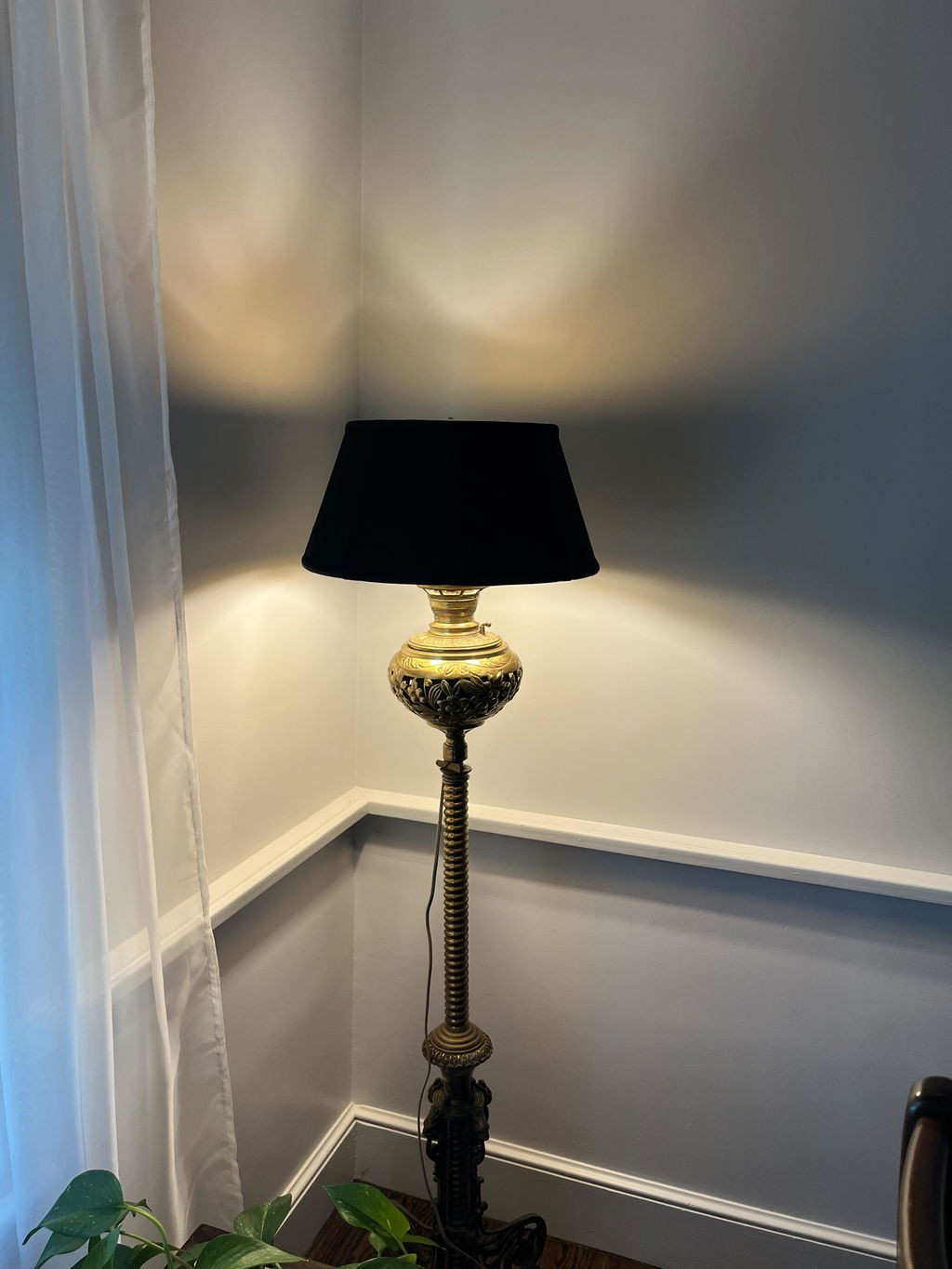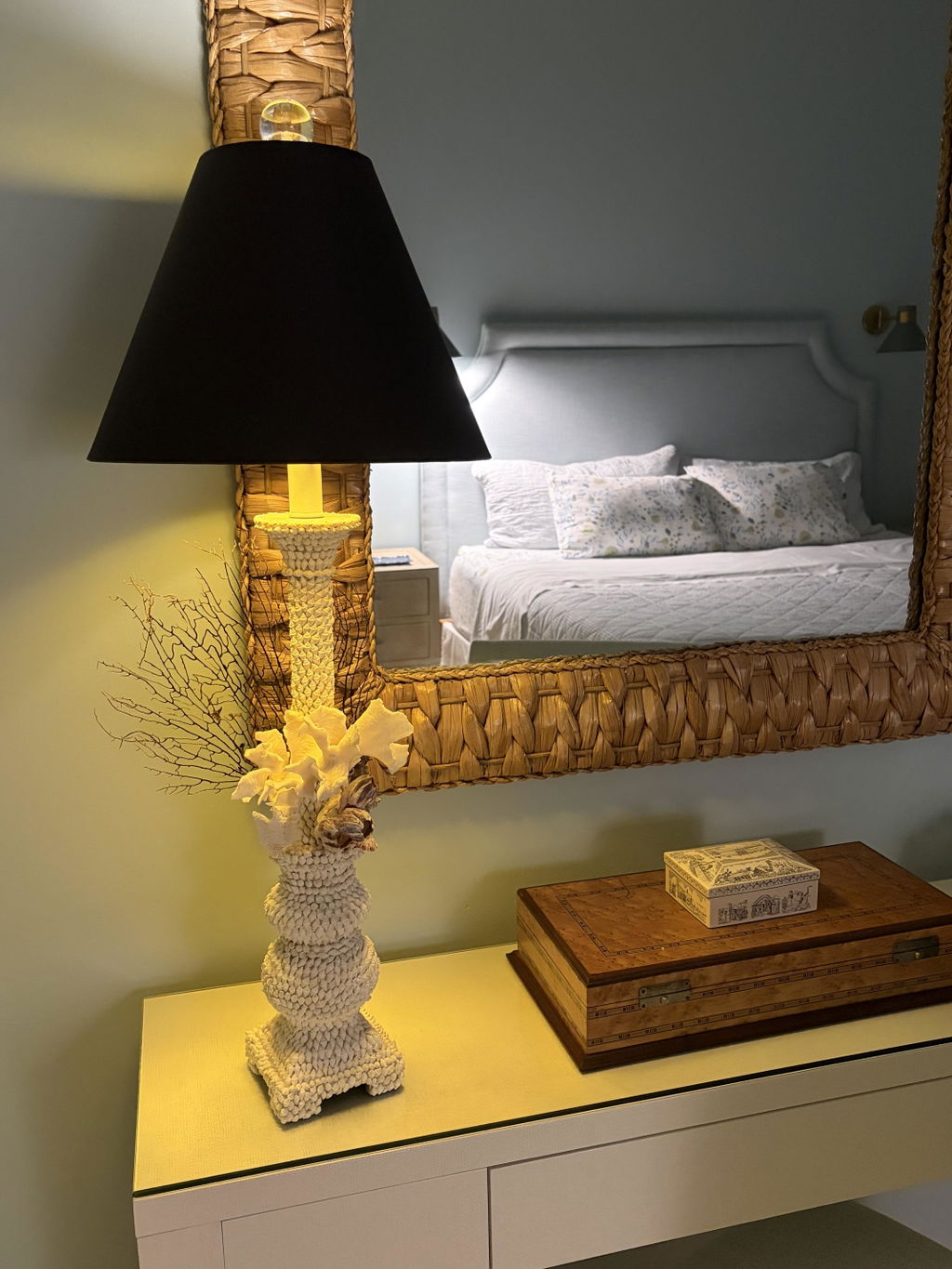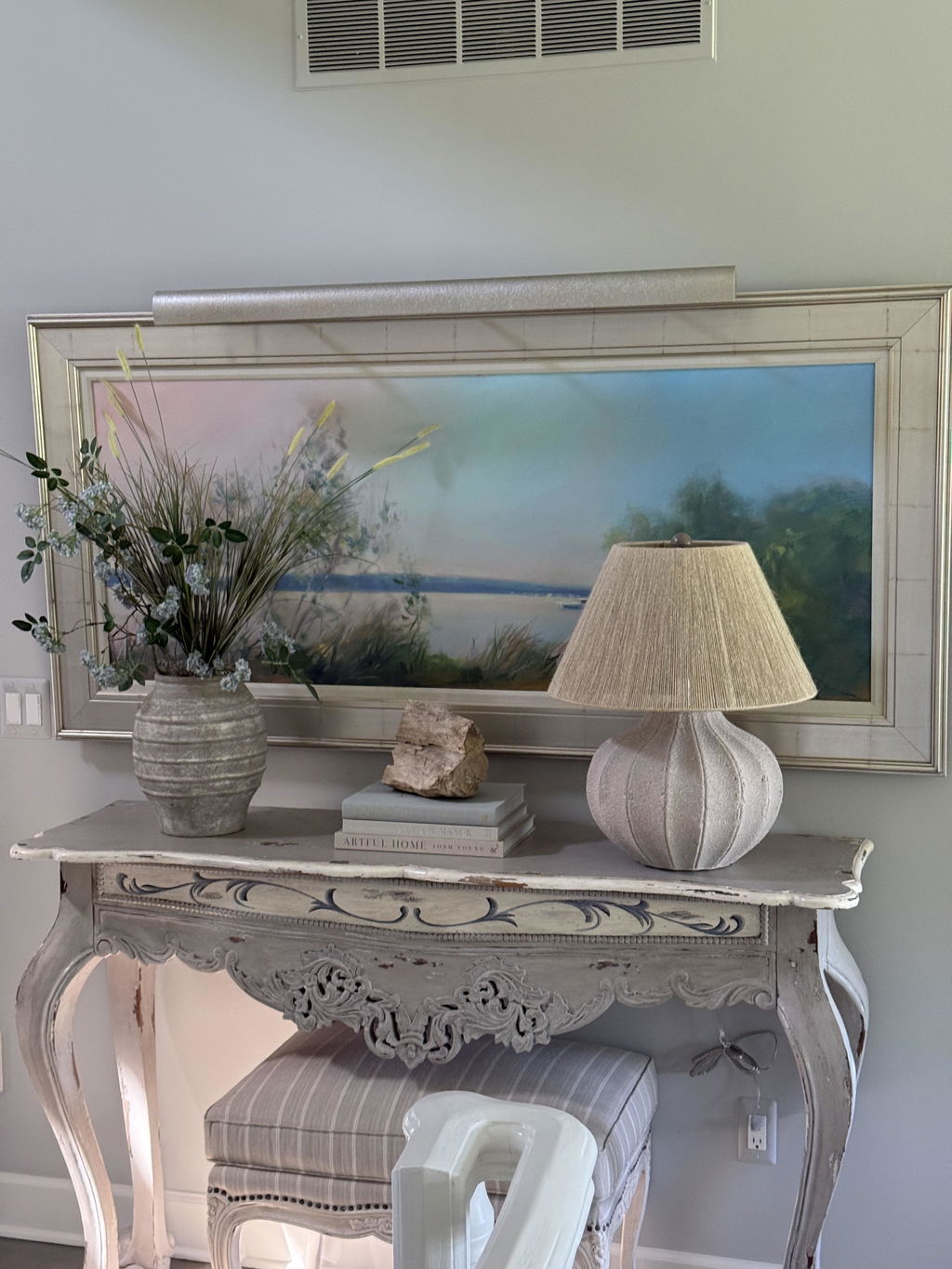

How Lamp Shade Shape Changes the Look of a Room
A lamp shade does far more than adorn a lamp. Its shape influences how light spreads, how a lamp relates to surrounding furniture, and even how large or balanced a room feels. While many buying guides focus on measurements or identifying different shade styles, interior designers often begin with the overall effect they want to create.
Where a wide drum shade can make a space feel calm and grounded, a tapered empire shade introduces movement and lightness. Decorative silhouettes like bell and pagoda shades become focal points in traditional interiors, while architectural square shades reinforce clean, modern lines.
Understanding how lamp shade shape affects a room makes it easier to choose a shade that complements your furniture, lighting plan, and design style.

Match Your Lamp Shade Shape to Your Design Style
A lamp shade should feel like a natural extension of the room rather than an afterthought. While the lamp base plays an important role, the shade's silhouette often has the greatest influence on whether a fixture feels modern, traditional, formal, or relaxed.
Designers look for shapes that reinforce the lines already present in the furniture, architecture, and décor, creating a sense of balance throughout the space.

Before replacing a lamp, try changing the shade shape first. A different silhouette can modernize an existing lamp while preserving a piece you already love.
How Lamp Shade Shape Changes Light Throughout a Room
Even after establishing a room's design style, designers also consider how the shape of a lamp shade will influence the way light fills the space. The same lamp can create a noticeably different atmosphere simply by changing the shade profile.
Shape affects whether light spreads broadly across a room, focuses downward for tasks, or creates a softer decorative glow.
| Shape | Best For | Visual Effect | Light Pattern |
|---|---|---|---|
| Drum | Modern, transitional | Calm, balanced | Even ambient light |
| Empire | Traditional | Light, elegant | Gathered downward light |
| Bell | Classic interiors | Decorative | Soft ambient glow |
| Square | Contemporary | Architectural | Directional and structured |
| Oval | Narrow spaces | Sophisticated | Balanced light |
How Different Shapes Affect Light
Drum shades distribute light relatively evenly to the sides, making them an excellent choice for ambient lighting in living rooms, bedrooms, and family spaces.
Empire shades direct more light downward because of their tapered profile, making them well suited for reading lamps, bedside tables, and task lighting.
Bell and pagoda shades often produce a softer, more decorative lighting effect, blending downward illumination with gentle side glow depending on the shade material.
Square and rectangular shades create light patterns similar to drum shades but with a more structured visual presence, making them a strong fit for contemporary spaces.
Oval shades provide balanced illumination while solving spatial challenges on narrow furniture where a round shade would project too far into the room.

Square and rectangular shades create light patterns similar to drum shades but with a more structured visual presence, making them a strong fit for contemporary spaces.
Oval shades provide balanced illumination while solving spatial challenges on narrow furniture where a round shade would project too far into the room.
Height Matters Too
The height of the shade is equally important. A shade that's too short may expose the bulb from seated eye level, creating glare, while a taller shade conceals the bulb and produces a softer, more comfortable light.
That's why designers consider both the silhouette and the proportions of a shade (not just its diameter) when refining a room's lighting.
Consider how a lamp looks during the day as well as at night. The shade contributes to the room's design even when the light is off.
Fabric Changes the Impact of Every Lamp Shade Shape
Just as a carefully chosen frame enhances a painting without competing for attention, the right fabric enhances a lamp shade's silhouette while defining its overall character.
This is why the same lamp shade silhouette can feel dramatically different depending on the fabric covering it.

Belgian Linen and Relaxed Light
Belgian linen softens both light and appearance.
Its subtle texture diffuses illumination while introducing an effortless, relaxed character that complements coastal, Scandinavian, transitional, and contemporary interiors.
On a drum shade, Belgian linen creates a calm, understated presence that feels timeless rather than trendy.

Silk and Structured Elegance
Silk adds refinement and definition.
Its smoother surface reflects light differently, giving structured silhouettes such as empire or square shades a more formal appearance.
Silk remains a popular choice for traditional interiors, luxury residential projects, and spaces where polished detailing is part of the overall design vision.

Raffia and Natural Texture
Raffia introduces warmth through texture.
Its woven surface emphasizes craftsmanship while adding depth even when the lamp is turned off.
Combined with clean silhouettes, raffia creates a sophisticated natural look that suits organic modern, coastal, and casual luxury interiors.
Why Interior Designers Sometimes Break the "Rules"
Many lamp shade buying guides offer simple rules: pair a round base with a round shade, keep the shade a certain width, or always choose a shape that matches the style of the lamp.
These guidelines are useful starting points, but they're not absolute. Interior designers often treat them as a foundation rather than a limitation.
Rather than matching every element exactly, designers look for relationships between the lamp, surrounding furnishings, and the room as a whole.
Sometimes a larger drum shade is intentionally chosen to give a modest lamp greater visual presence. In other cases, a tapered empire shade helps reduce the apparent weight of a substantial ceramic or turned wood base.
Designers also use contrast to add interest. A square shade on a rounded lamp base can echo the clean lines of nearby furniture, while a soft bell shade may introduce warmth into a room filled with angular architecture.
Context Changes Proportion
A shade that feels perfectly proportioned in a cozy reading nook may appear undersized in a living room with high ceilings.
An oversized shade that would overwhelm a small bedside table can become a dramatic focal point on a large console or buffet.
When standard proportions don't quite achieve that balance, adjusting the shape, size, or material through a semi-custom or custom lamp shade can provide a more refined solution.
When Custom Lamp Shade Proportions Make the Difference
Not every project fits standard dimensions, and that's often where design challenges begin. A lamp may have the right base and the right location, but if the shade's profile or proportions aren't quite right, the fixture can feel visually out of place.
Rather than settling for the closest standard option, adjusting the shape or dimensions can create a more balanced, intentional result.
Custom sizing can help when:
- The diameter works, but the shade height feels too short or too tall.
- A particular fabric is needed to coordinate with custom furnishings.
- An existing or vintage lamp base calls for uncommon proportions.
- Decorative trim or specialty detailing is central to the design.
- A designer wants to specify COM (Customer's Own Material).
Interior designers frequently encounter situations where a ready-made shade is close but not quite right. Semi-custom and fully custom lamp shades allow designers to fine-tune these details without compromising the overall design intent.
Whether adjusting dimensions, selecting premium materials, incorporating decorative trims, or specifying COM, customization makes it possible to create lighting that feels intentionally designed for the space rather than adapted to it.

Explore Custom Lamp Shades for Your Next Project
Every room has its own proportions, lighting needs, and design goals. Choosing the right lamp shade shape helps bring those elements together while creating comfortable, balanced spaces.
Because shape, proportion, material, and craftsmanship all work together, many interior designers evaluate these decisions simultaneously rather than in isolation.
Lux Lampshades supports that process by offering handcrafted shades, semi-custom modifications, and fully custom designs (including COM options) so designers can refine the final result instead of settling for the closest standard alternative.
Explore Lamp ShadesFrequently Asked Questions
Does lamp shade shape affect how much light a lamp gives off?
Yes. While the bulb determines the amount of light, the lamp shade shape determines where that light goes. Wider shades tend to spread light more evenly throughout a room, while tapered shapes direct more illumination downward toward the surface below.
Which lamp shade shape makes a room feel larger?
There isn't one universal answer, but balanced proportions generally create the most spacious feeling. Wide drum shades can reinforce horizontal sightlines, while taller tapered shapes encourage the eye to move upward.
Are drum shades only for modern interiors?
No. Although drum shades are common in contemporary spaces, they also work well in transitional, Scandinavian, coastal, and many traditional interiors when paired with the appropriate materials and lamp base.
Should the lamp shade match the lamp base?
Not necessarily. Matching shapes can create harmony, while contrasting silhouettes often introduce visual interest. The best choice depends on the overall design of the room rather than a fixed rule.
Can lamp shade proportions be customized?
Yes. Custom and semi-custom lamp shades allow adjustments to height, diameter, materials, trims, and other details, making it easier to achieve the right balance for a particular lamp or interior project.